Introduction
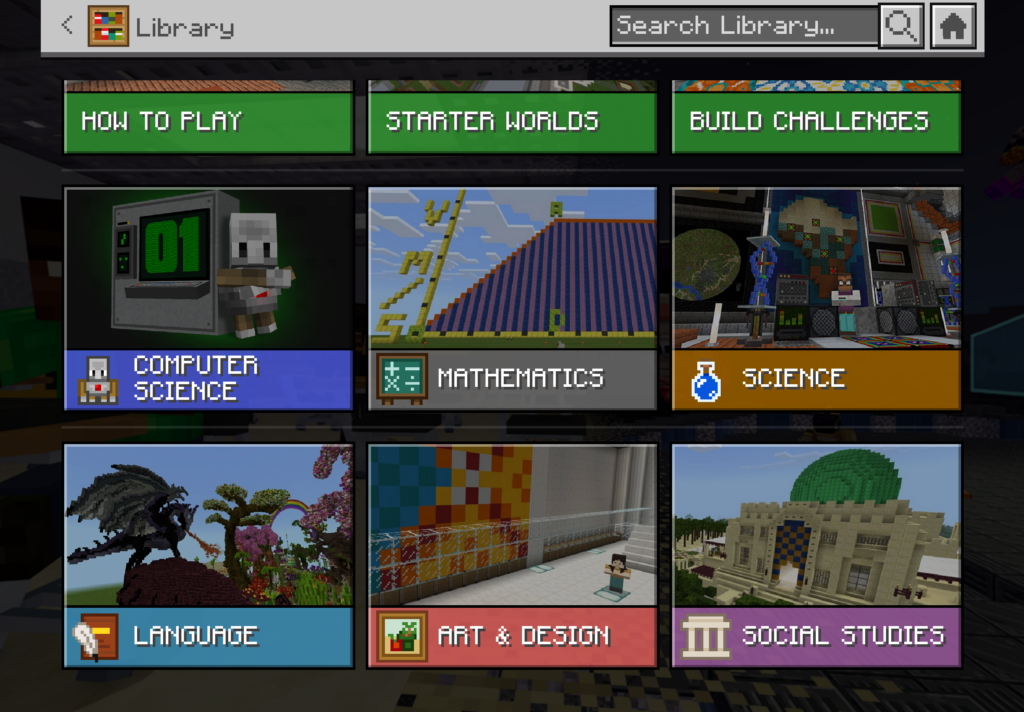
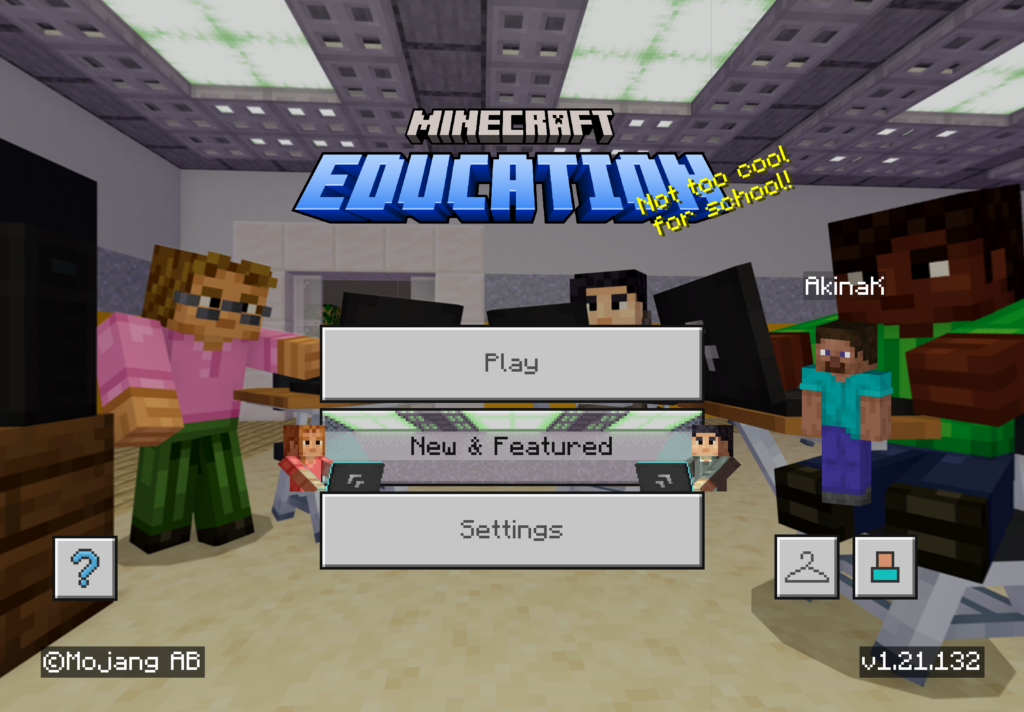
Minecraft Education is a digital learning platform designed to support teaching and learning through a game-based environment. It allows students to explore concepts, solve problems, and demonstrate their understanding by building and interacting within a virtual world. The platform includes a variety of tools specifically designed for classrooms, such as collaborative worlds, teacher controls, and built-in lesson plans that align with different curriculum areas, including science, math, social studies, and language arts.
One of the biggest advantages of Minecraft Education is that it builds on a game many students are already familiar with. Because of this, students often enter the activity feeling excited and motivated to participate. The platform also encourages creativity, exploration, and collaboration, which can make learning feel more meaningful and interactive. Rather than simply receiving information, students have the opportunity to actively engage with concepts and demonstrate their understanding in creative ways. For these reasons, Minecraft Education has become an increasingly popular tool for teachers who want to integrate digital technology into their classrooms.
How I was using it
When I first started using Minecraft Education with my students, I realized that I may not have been using it completely correctly or to its full potential. I think my biggest obstacle was that I was still learning how the platform worked and how it could be integrated into students learning in a more engaged and meaningful way (tied to the curriculum). I think that when my students were using it a lot of the experience involved experimenting with the tool and seeing how students responded.
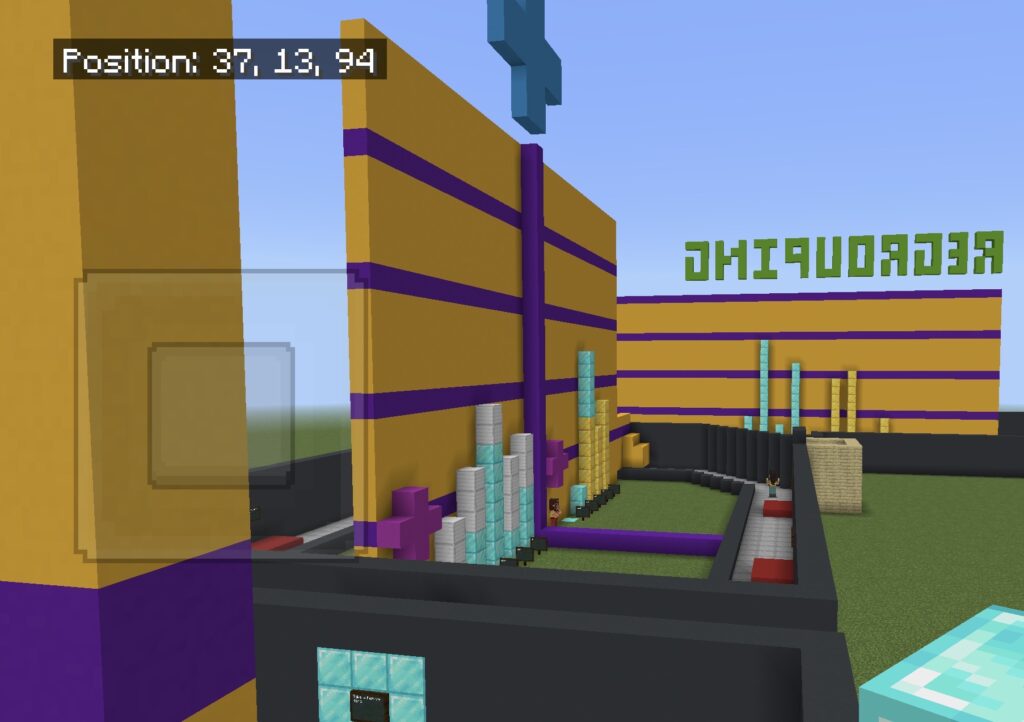
Even though my approach was maybe not fully correct, I did notice some very positive outcomes. Students appeared to be much more engaged with the subject we were learning and were able to participate and engage more with the content. The excitement in my students was noticeable, and many students were eager to participate in the activity. They were also highly motivated to show their creations and explain what they had built, which created opportunities for discussion and sharing ideas. In this sense, Minecraft Education helped create a learning environment where students felt excited about participating.
At the same time, I began to recognize that there was still a learning curve for me as a teacher. While students were engaged, the connection between the activity and the learning objectives was sometimes not as clear as it could have been for my students. I think this is still a platform that I will use in the future but I definitely think I need to dive in deeper and explore the platform more to make sure I use it to its full potential.
Lessons I learned from Kara Dawson
Listening to Kara Dawson helped expand my understanding of how Minecraft Education can be used more effectively in the classroom. One of the most surprising things I learned was how communicative and collaborative students can be while they are working within the game. Initially, I assumed that students might become overly focused on playing the game itself, but Kara explained that when the activity is structured well, the platform can actually encourage communication, teamwork, and shared problem solving. Students often work together to complete challenges, share ideas, and help one another navigate the world.
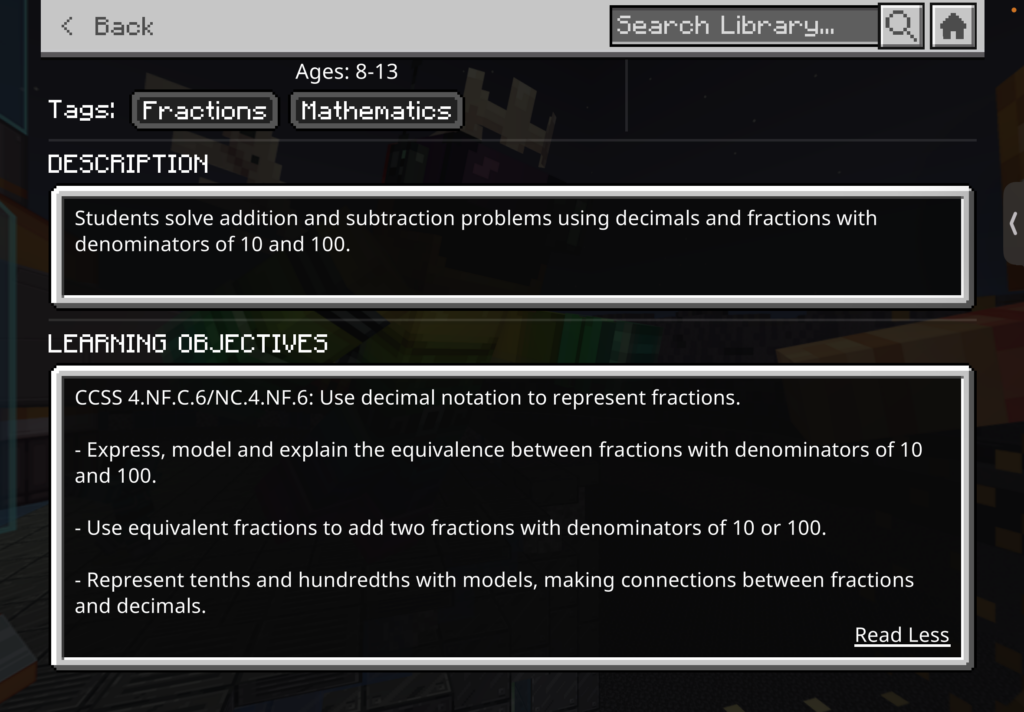
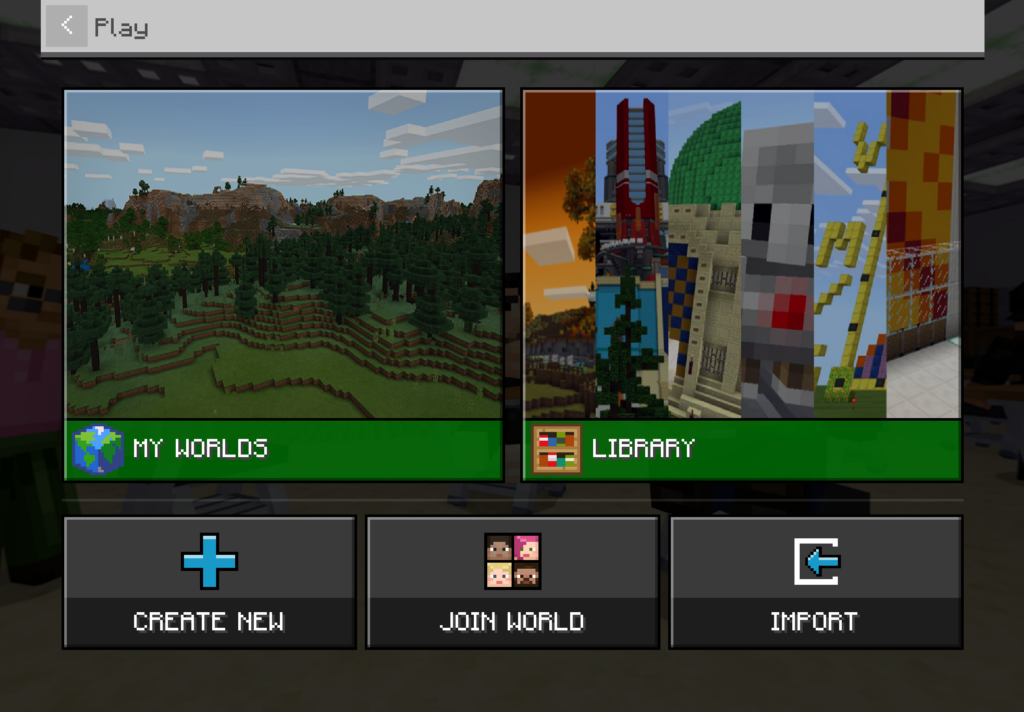
Another important takeaway was the value of exploring the lesson plans that are already available through Minecraft Education. Before hearing Kara speak, I had not looked at these resources very closely. However, after taking the time to explore them further, I realized that many of the lessons are clearly connected to curriculum outcomes and provide step-by-step guidance for teachers. This makes it much easier to incorporate Minecraft Education into a lesson while ensuring that the activity is still focused on the intended learning goals. It also reduces the amount of time teachers need to spend creating activities from scratch.
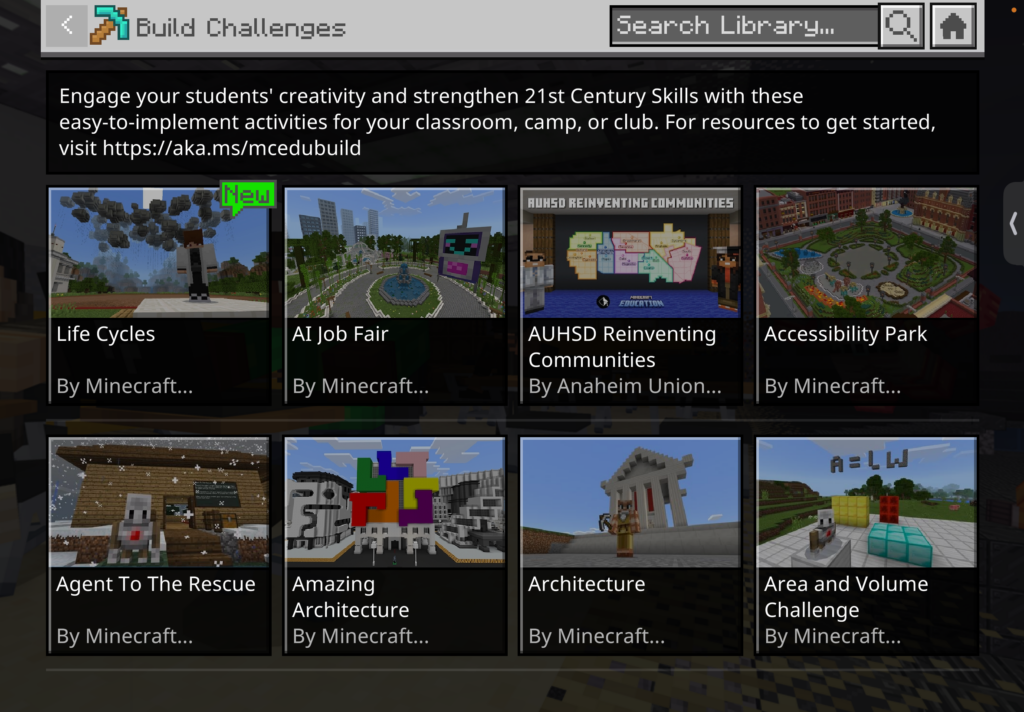
Kara also shared several interactive strategies that can be used to make learning within Minecraft Education more purposeful. One example was the use of challenges or structured tasks within the game. Instead of simply asking students to explore, teachers can create specific objectives that require students to apply their knowledge to complete a task. For example, students might be asked to design a structure that represents a scientific concept, solve a puzzle that requires mathematical thinking, or collaborate with classmates to build something that demonstrates their understanding of a topic. These types of challenges not only keep students engaged but also help make the learning objectives more visible.
My Plan for Next Time
After reflecting on my experience and what I learned, I have started to think about how I would approach using Minecraft Education differently in the future. I am now planning a unit on storytelling for a group of students, and I am excited to use it more effectively and look into the learning outcomes more closely.
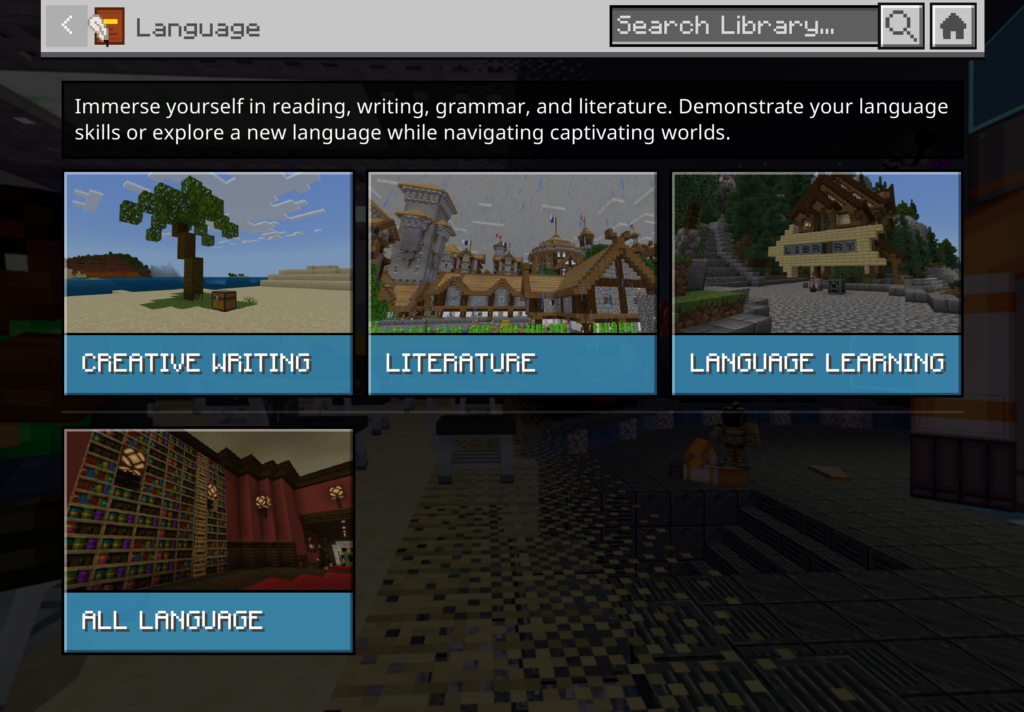
One of my main goals is to create more structure within the activity so that students clearly understand the purpose of what they are doing in the game. I would also like to provide students with specific tasks or challenges that directly align with the lesson’s learning outcomes. I also plan to spend more time exploring the built-in lesson plans and teacher resources provided within Minecraft Education. These resources can guide the learning experience and ensure the activity aligns with curriculum goals. By becoming more familiar with the platform beforehand, I believe I will be able to support students more effectively and answer questions that may arise while they are working within the game.
Another strategy I would like to try is encouraging more collaboration between students. Because Minecraft Education allows students to work together within the same world, it creates opportunities for teamwork and shared problem solving. I would like to design activities where students need to communicate with one another, divide responsibilities, and work together to complete a challenge. This would not only support the academic learning goals but also help students develop important social and communication skills.
Final Thoughts
Overall, my experience with Minecraft Education has shown me that it can be a highly engaging and valuable learning tool when used thoughtfully. Although my first attempts at using the platform were not perfectly structured, they were still meaningful learning experiences for both myself and my students. The excitement and motivation I saw from students demonstrated how powerful game-based learning can be when it connects with tools that students already enjoy using. At the same time, this experience reminded me that simply introducing technology into the classroom is not enough on its own. As teachers, we need to think carefully about how digital tools are being used and how they connect to the learning goals we want students to achieve. Hearing from Kara Dawson helped me recognize that when tools like Minecraft Education are used intentionally, they can support communication, collaboration, creativity, and deeper engagement with the curriculum.
I was also happy that I had the opportunity to ask a question about potentially changing the Minecraft-style font that appears in some parts of the platform. From an accessibility perspective, I think it could be helpful if there were options to adjust or change the font for students who may find it difficult to read (which is a barrier I ran into while using this application). I appreciated that Kara acknowledged this as a good point and mentioned that it was something she would look into and mention to the team. It was encouraging to hear that feedback like this from educators and students can help improve digital learning tools over time, and I hope my feedback might create a change in Minecraft education that makes it more accessible for learners.
Moving forward, I feel more confident continuing to explore how Minecraft Education can be integrated into my teaching practice. I want to spend more time learning the platform, experimenting with structured challenges, and connecting activities more directly to curriculum outcomes. This experience has helped me see that using educational technology effectively is an ongoing learning process, and I am excited to continue developing these skills as I grow as an educator.
Sorry, but comments are not enabled on this site.