Introduction
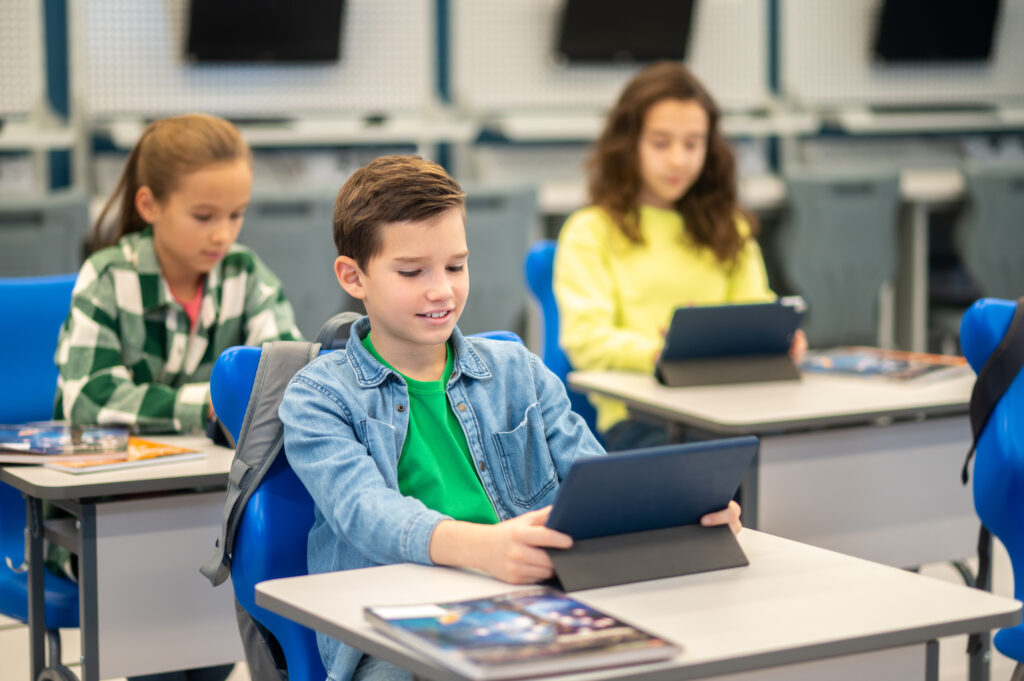
Over the past few months, I’ve had the opportunity to explore the world of generative AI and digital tools in this class as well as my personal inquiry. At the beginning of the class, I was excited by the tech itself the new possibilities AI offered, but over time, I realized that the real magic happens when these tools are thoughtfully integrated into learning, not just used because they’re new or cool. It’s about designing experiences that expand accessibility, foster curiosity, and lets students really engage with content in meaningful ways.
Comparing AI Tools
Throughout this class I have been exposed and introduced to several AI platforms that I didn’t know about before. With a strong curiosity to learn more, during my personal inquiry I decided to explore three AI platforms, each with its own strengths, and this exploration process helped me better understand how different tools serve different roles in education. MagicSchool AI stood out as a highly practical tool for teachers, especially since it’s made to help teachers when it comes to streamlining lesson planning, generating rubrics, and organizing instructional materials quickly and efficiently. After exploring MagicSchool AI, I’ve realized it kind of acts like a behind-the-scenes support system that helps teachers save time while still allowing space for customization. Eduaide AI, on the other hand, offered a wider range of creative possibilities. It provided flexible scaffolds, lesson ideas, and content generation that could be adapted across subjects and grade levels, making it a strong tool for inspiration and planning. LessonUp AI took a noticeably different approach by focusing less on generating written content and more on designing interactive, student-centred learning experiences. Its emphasis on engagement and participation made it feel more aligned with what students actually experience during a lesson, rather than just what teachers prepare beforehand.
How Pedagogical Frameworks Guide Tech Use

Technology alone isn’t enough, it needs to be grounded in strong pedagogical thinking to truly be effective. During this class, I’ve also investigated several frameworks to help guide my own personal learning and also reflect more critically on how I was using digital tools. When I was introduced to the SAMR model, it encouraged me to think beyond simply substituting traditional tools with digital ones and instead consider how technology could transform learning tasks in meaningful ways. It pushed me to reflect on whether I was enhancing learning or completely redefining it. TPACK helped me recognize the importance of balancing content knowledge, pedagogical strategies, and technological tools, reminding me that effective teaching happens at the intersection of all three. It reinforced that technology should not drive instruction on its own, but rather support strong teaching practices.
In addition, the Technology Integration Matrix (TIM) gave me a more detailed way to evaluate how technology is used in different classroom contexts. It helped me think about how students interact with technology, not just how teachers use it. The Communities of Inquiry (COI) framework added another layer by emphasizing the importance of social, cognitive, and teaching presence, especially in digital or blended learning environments. This reminded me that meaningful learning is not just about content delivery, but about creating a sense of connection, collaboration, and shared understanding among students. When used together, these frameworks provide a comprehensive lens for integrating technology intentionally. They help move teaching practices from simply “using tech” to designing learning experiences that are interactive, thoughtful, and transformative for students.
Tools to Transformation: Integrating AI Thoughtfully
AI is incredibly powerful, but it is not a magic solution on its own. The real value of generative AI comes when it is paired with professional judgement, intentional design, and inclusive practices. During this inquiry, I realized that saving time with AI is only helpful if that time is reinvested in tailoring learning to students’ needs. AI-generated content is not automatically accurate or neutral, it must be carefully reviewed to prevent bias and ensure academic integrity. Additionally, every platform has its limitations, so teachers must be aware of these constraints to avoid over-relying on technology.
Immersive digital tools like Minecraft Education provide a powerful example of how technology can support student-centred learning. Students can explore, problem-solve, and collaborate in ways that make abstract concepts tangible, turning digital worlds into meaningful learning spaces. Platforms like Minecraft also align with Universal Design for Learning (UDL), offering multiple means of representation, engagement, and expression. Students can demonstrate understanding through creative simulations or collaborative projects, doing things that were previously unimaginable in a traditional classroom setting.
Final Reflection
Reflecting on everything I’ve learned, I see that my perspective has shifted from viewing AI and digital tools as simple “time-saving hacks” to recognizing them as integral components of a broader pedagogical strategy. As I’ve mentioned before, technology is most effective when guided by professional judgement, structured through frameworks like SAMR and TPACK, and aligned with inclusive practices like UDL. By thinking intentionally about how tools are used, educators can move from simply implementing technology to truly transforming learning experiences, creating classrooms that are engaging, accessible, and meaningful for all students.
Sorry, but comments are not enabled on this site.