
Connecting AI to Existing Digital Tools

Throughout this inquiry, I have had the opportunity to look at different generative AI platforms as well as educational digital technology. In the past couple posts, I have been evaluating AI lesson generators (MagicSchool AI, Eduaide AI, LessonUp AI), and I began to think about how these tools could fit into the other educational technology platforms I previously researched (Scratch, Khan Academy, Prodigy, DreamBox).

Each of these platforms serves a distinct instructional purpose. Scratch promotes creativity and computational thinking through coding projects. Khan Academy provides structured instructional videos and aligned practice activities. Prodigy gamifies math practice to increase engagement, and DreamBox offers adaptive math instruction that responds to individual student performance in real time.
Rather than viewing generative AI as a replacement for these platforms, I began to see it as a planning support tool that could help organize and connect them. For example, an AI-generated lesson outline could introduce a math concept, incorporate a Khan Academy video for instruction connected with teaching, assign DreamBox or Prodigy for differentiated practice, and conclude with a Scratch activity that allows students to apply their learning knowledge creatively. By doing this, generative AI helps start the planning process while established platforms continue to provide content delivery, engagement, and adaptive support along with classroom lessons.
Supporting Differentiation Through Digital Platforms
One of the strongest advantages of integrating AI with educational digital platforms is the potential for layered differentiation. While the AI tools I tested often included general suggestions for accommodations or extensions, they did not truly adapt to individual students, as Gen AI doesn’t know the learners in the classroom. In contrast, DreamBox and Prodigy adjust in real time based on student performance, offering targeted practice at appropriate levels.
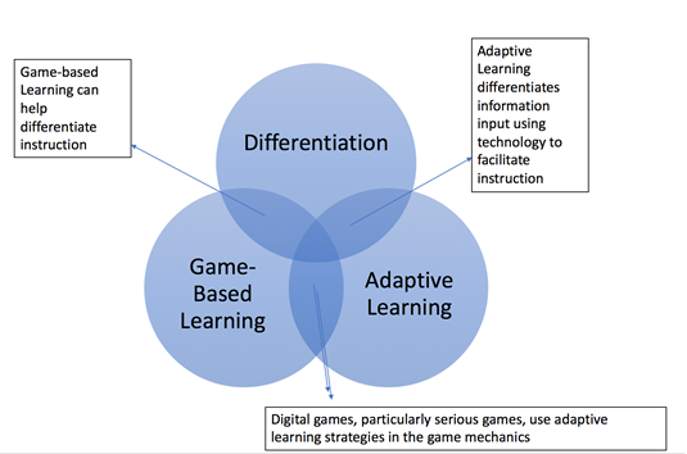
By combining AI-generated lesson frameworks with adaptive platforms, teachers can maintain a clear instructional structure while still supporting diverse learner needs. AI can help generate objectives, pacing, and activity ideas, while adaptive programs personalize skill development. This layered approach balances efficiency and responsiveness, allowing teachers to use technology in ways that are both practical and student-centred.
Balancing Efficiency with Intentional Design
Thinking about integration also raised questions about balance. While AI can generate lessons quickly, effective implementation still requires alignment with curriculum standards, district expectations, and the digital tools already embedded in classroom routines. Teachers would need to intentionally adapt AI-generated materials to fit the structure of their school’s platforms and policies. This reinforced the idea that generative AI works best as a complementary tool. When thoughtfully combined with existing educational technologies, it has the potential to increase efficiency without sacrificing classroom instructional quality.

Final Thoughts
Connecting generative AI to existing digital platforms deepened my understanding of how educational technology can function as an integrated system rather than a set of separate tools. Throughout this inquiry, I initially examined each platform independently, focusing on its strengths and limitations. However, considering how AI lesson generators could intentionally connect Scratch, Khan Academy, Prodigy, and DreamBox shifted my perspective. Instead of asking which tool is best, I began thinking about how each one contributes to a larger instructional design. This reflection reinforced the idea that technology is most powerful when it is purposefully layered. Generative AI can support teachers with planning efficiency and idea generation, while adaptive and student-centred platforms provide engagement, personalization, and real-time feedback. When these tools are combined thoughtfully, they create opportunities for structured instruction, differentiated practice, and creative application within a single lesson framework. At the same time, this integration requires professional judgment. AI-generated outlines still need alignment with curriculum standards, classroom routines, and student needs. Ultimately, this inquiry highlighted that effective technology integration is not about automation but about intentional design. Generative AI does not replace teacher decision-making. Instead, it can enhance it when used strategically alongside established digital learning platforms.
Sorry, but comments are not enabled on this site.