
Different Approaches to Lesson Design
One of the most interesting aspects of this inquiry was realizing how different each platform’s approach to lesson design actually was. Last week, I tested and compared lesson plans using three different education-based AI platforms. Before testing the tools, I assumed that AI lesson generators would produce fairly similar outputs with only minor variations in wording or format. However, I was surprised by how distinct each platform’s structure and priorities were. MagicSchool AI emphasized backwards design, Eduaide AI used the 5E instructional model, and LessonUp AI generated visual slide decks focused on the delivery of instruction rather than a written lesson plan. This variation demonstrated that these tools are not interchangeable, even though they fall under the same category of educational AI platforms for lesson planning and support.
Recording What “Quality” Means
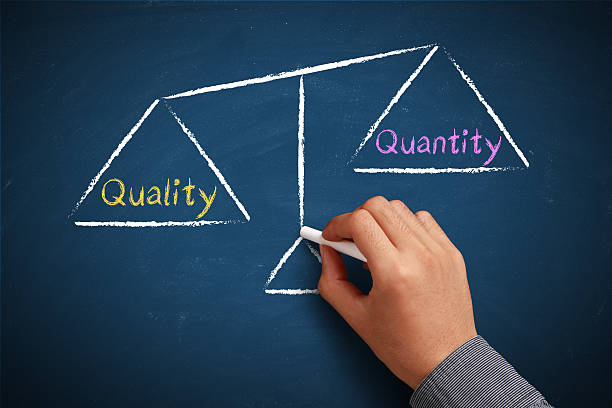
Another unexpected realization was how challenging it was to determine what actually makes a lesson “high quality,” particularly when considering time constraints in an elementary school classroom and also the knowledge I’ve gained throughout this class and program. At first, I assumed that the most detailed and comprehensive lesson would automatically be the strongest. However, after reviewing the generated plans and using the knowledge I’ve gained, I began to question whether depth alone equals effectiveness. For example, as I mentioned in my previous inquiry, I asked that each lesson fit within a 40-minute block, some AI outputs included multiple instructional phases, extended guided practice, independent work, reflection, and activities. While these all sound like valuable components for pedagogical practice, realistically completing all these tasks within 40-minutes would be unrealistic and difficult.
In elementary school classrooms, students’ attention spans, transition time between activities, and the need for repetition must be considered. Even a well-structured lesson can exceed its time limit once student questions, discussion, clarification, and behavioural management are factored in. Additionally, elementary school schedules are often tightly structured, and can be difficult to extend a lesson beyond a assigned block due to the other rotations, recess, or subject transitions. Having these things in mind helped shift my understanding of quality vs. quantity. Even though a lesson plan might look super comprehensive on paper might not be effective within the constraints of an elementary school schedule.
Recognizing Platform Priorities
I also found it interesting how clearly each platform reflected a different instructional priority. MagicSchool AI prioritized structure and built-in extensions, while Eduaide AI emphasized the 5E and inquiry-based sequencing, and LessonUp AI focused on engagement through visual and interactive elements. These differences highlighted that AI tools are shaped by design decisions that influence what they value in instruction. Understanding these priorities became essential in evaluating their effectiveness as I began to ask myself, “Which tool was best and best aligned with teaching needs/classroom contexts?”
Final Thoughts
This stage of my inquiry challenged my initial assumptions about both AI lesson generators and what defines instructional quality. I began this process expecting similarity across platforms and equating depth with effectiveness. Instead, I discovered meaningful differences in structure, priorities, and pacing and I had to reconsider what “quality” actually looks like within the constraints of an elementary classroom. This realization shifted my thinking from evaluating lessons just based on thoroughness to considering attention span, time limitations, and developmental appropriateness. In many ways, this post helped me reflect and think critically on what my thoughts are now on what a “high quality” AI-generated lesson plan should be.
Sorry, but comments are not enabled on this site.