
Introduction
This week I had the opportunity to attend the Focused Ed Webinar, and I selected two sessions that caught my interest for very different reasons. I chose the AI session because artificial intelligence is becoming such a prominent topic in education, yet I was not entirely sure what to expect from a session focused on teaching AI to students. I wanted to see how others with more experience would approach a subject that is still new and evolving. I also chose the Live IT session because place-based learning is something I value, but I was curious about how an online platform could support this kind of hands-on, outdoor learning. I went into both sessions unsure of what they would be like, but open to learning something new. The following reflections describe what I learned and how each session helped shape my thinking.
Student AI Literacy Lessons K-12
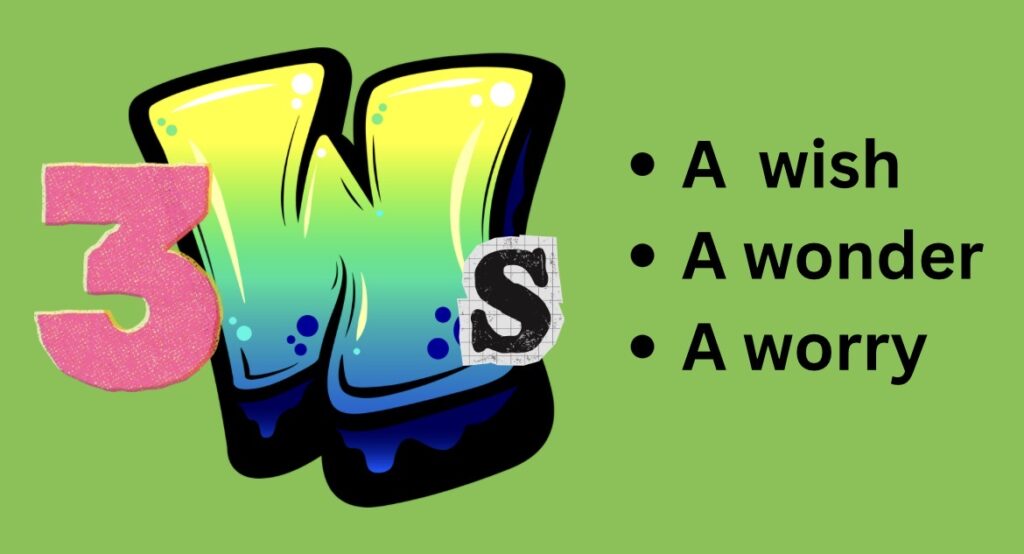
Mt first session offered for more than a technical overview but instead pushed me to think about how we introduce AI to students and how we frame its role in their lives. The presenter started the session with the three w’s (wish, wonder, worry) using these to drive the session.
In the session the presenter explained how GenAI works in a clear and accessible way. Her explanation helped me understand the concepts more fully, and it also gave me ideas for how to make these ideas understandable for students. She then moved into topics that must be part of any conversation about AI in schools. These included privacy, personal data, intellectual property, and ethical use. One point that stood out to me was the issue of equity. Many of the most powerful AI tools are behind paywalls, which creates a divide between students who can access them and those who cannot. This is something I need to keep in mind when planning learning experiences.
The idea that stayed with me the most was the importance of balance. We already talk to students about balance in many areas of life, such as healthy eating, physical activity, screen time, and social media. AI should be included in these conversations. The presenter also highlighted the environmental impact of AI use, something I’ve always wondered about. Even simple prompts require energy, and more complex outputs like images or videos require much more. Teaching students to think about when AI is helpful and when it is unnecessary is part of helping them develop responsible digital habits.Another idea that resonated with me was the importance of keeping humans in the loop. The presenter reinforced something I have been thinking about for a while. AI is most powerful when it is combined with human creativity, judgment, and critical thinking. When the human element is removed, the value of the output decreases.I also learned more about the Student Artificial Intelligence Lessons offered by Focused Education.
Overall, this session helped me connect my personal reflections about AI with practical strategies for teaching it. It reinforced the importance of balance, ethics, and human involvement. These are ideas I plan to carry forward as I continue learning and preparing students for a world where AI plays an increasingly significant role.
Live IT! Bilingual Place-based Learning K – 7
My second session focused on Live IT! Bilingual Place-Based Learning for K to 7, and it introduced me to the Live IT Earth online learning platform. This platform provides teachers with resources that support place-based learning through a variety of modules. Topics include old-growth forests, salmon, the deep sea, and many others. Each module includes educational videos along with teacher and student resources that help deepen understanding of the content.

One feature that stood out to me was how interactive the modules were. They are designed to engage students, not just inform them. My favourite aspect of the platform was the ability for teachers to search by curriculum. This means teachers can find lessons that align directly with the big ideas and competencies in their provincial curriculum. I appreciated that the platform supports multiple provinces, not only British Columbia, which makes it more accessible and adaptable for educators across Canada.
A question that came to mind early in the session was how these digital modules connect to hands-on learning. Place-based learning is rooted in getting students outdoors, interacting with their environment, and applying their learning in meaningful ways. While the modules are rich in information, I wondered how teachers could bridge the gap between the online content and real-world experiences. This question was eventually addressed. The presenters explained how the modules are designed to be a starting point, offering background knowledge and context that teachers can then extend into outdoor or community-based activities.
This helped me see the platform not as a replacement for hands-on learning, but as a tool that supports and enhances it. The videos and resources provide a strong foundation, and it is up to teachers to build on that foundation by creating opportunities for students to explore nature, observe local ecosystems, and connect their learning to the places they live.
Overall, this session helped me understand how digital tools can complement place-based learning rather than compete with it. It also reminded me of the importance of thoughtful planning. When used intentionally, platforms like Live IT Earth can enrich students’ understanding and help teachers create meaningful, curriculum-aligned learning experiences that extend beyond the classroom.
Final Thoughts
Looking back on both sessions, what stands out most to me is how important it is for educators to stay open, curious, and adaptable. Even though the two topics were very different, they both highlighted the need to guide students in navigating a world where technology and the natural environment intersect in meaningful ways. From the AI session, I was reminded of the importance of balance, ethics, and keeping human thinking at the center of digital learning. From the Live IT session, I saw how digital tools can support, rather than replace, hands-on, place-based experiences. Together, these sessions encouraged me to think more intentionally about how I design learning opportunities. My biggest takeaway is that thoughtful integration matters. Whether we are teaching students about emerging technologies or helping them connect with the land around them, our role is to create learning experiences that are grounded, engaging, and responsive to the world our students are growing up in.
Sorry, but comments are not enabled on this site.