
Introduction
As generative AI continues to expand and integrate itself into the technology and social media around us, it’s worth reflecting on. Over the past couple of years, Gen AI has shifted from something new and unfamiliar to something nearly everywhere around us, appearing in our search results, creative online tools, and even social media platforms. But this rapid integration raises some important questions to reflect upon: Do we actually have a choice about using Gen AI? Can we avoid it? And does our individual decision to use or not use it even matter? In this blog post, I will be exploring these questions and reflecting on what I think.
Do we have any choice about using Gen AI?
Personally, I believe the answer to this question is complicated. It’s both yes and no. Individuals can choose not to actively engage with ChatGPT or AI chatbots, but at the same time, Gen AI is increasingly hidden in a lot of the things we use on a daily basis. It’s embedded in your phone’s photo editing, in several search engines, creative design platforms such as Canva, and even social media platforms such as Instagram, Facebook, TikTok, and Pinterest. At this point, there’s almost no avoiding it completely.
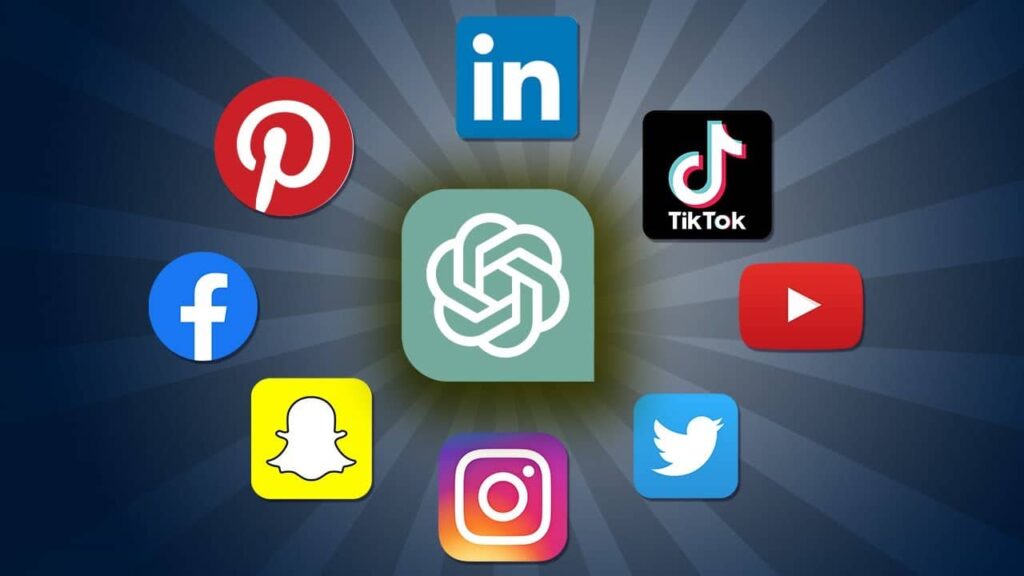
So yes, we have some choice about AI use, but it’s limited. To avoid all AI you’d have to actively try to avoid it, which would take conscious effort and constant awareness. More precisely, individuals have a choice about how we use it, but we don’t have much say in its development and growth as a technological tool in society. The question now becomes whether we engage intentionally or passively accept it in society.
Can we avoid its use?
In my opinion, I believe that if you are determined, you can definitely minimize your use of Gen AI in your personal life. On several social media platforms and search engines, there are ways you can opt out of AI features, choose alternative tools, and be selective about the platforms you use. But even then, complete avoidance becomes tricky, especially when AI is required or necessary for certain education, work, or other professional activities. Many of us don’t have the choice of stepping away completely.
My thought is, instead of completely shutting AI out, perhaps what we need is a shift in how these technologies are implemented. It may be time to start putting some pressure on tech companies to make AI use more optional rather than having it automatically integrated into search engines like Google or platforms like Canva and Instagram. Right now, the default is opt-in-by-default, and that feels backwards to me. I also found that opting out of the AI option is a lot harder to find than it should be. Instead of automatically opting us in, I believe that when it is implemented, there should be an immediate option allowing us to decide whether we want to opt in or not.
That being said, we need to be realistic: Gen AI is only going to keep growing. This technology isn’t going away. For those of us who are future educators, this reality will be part of our jobs. It’s our responsibility to learn how to use AI properly when and if we do choose to use it. More importantly, we need to be prepared to teach our learners how to use it responsibly and effectively if they’re engaging with it. Therefore, instead of ignoring it, we should be equipping ourselves and our students with the critical thinking skills and digital literacy needed to navigate this thoughtfully.
Does whether I use Gen AI or not really make a difference
This is where reflecting is important. On a personal level, choosing not to use Gen AI could absolutely make a difference for you if this is something you are strongly against. If avoiding AI is better for your mental well-being, helps you maintain critical thinking skills, or simply aligns with your values, that matters. Your personal cognitive health and sense of agency are valuable.
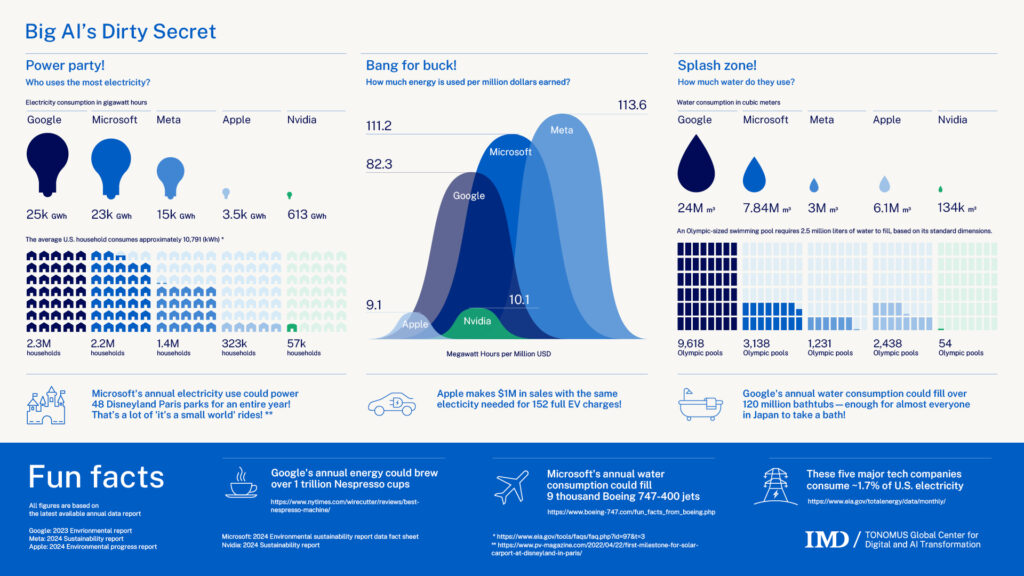
From an environmental perspective, reducing your AI usage might help a little. These systems continue to consume significant energy and resources. But let’s be honest, if everyone else is using it consistently, your individual impact on the environment is probably minimal. But here’s something to think about. As one person, your choice probably wouldn’t make much of a difference in the broader tech landscape. But if you think about it as a community, if everyone assumes their individual choice doesn’t matter, then it does make a difference. Cultural shifts start when individuals make intentional decisions and encourage others to do the same.
Final Thoughts
Reflecting on generative AI isn’t about reaching a simple conclusion of “good” or “bad”. It’s about recognizing that we’re living through a major technological shift and we’re deciding how we want to navigate it as a society, but also as individuals. While we may not be able to stop the spread of AI integration into our tools and platforms, we can make conscious choices about our own engagement and use of and with it.
Sorry, but comments are not enabled on this site.