The Central Question
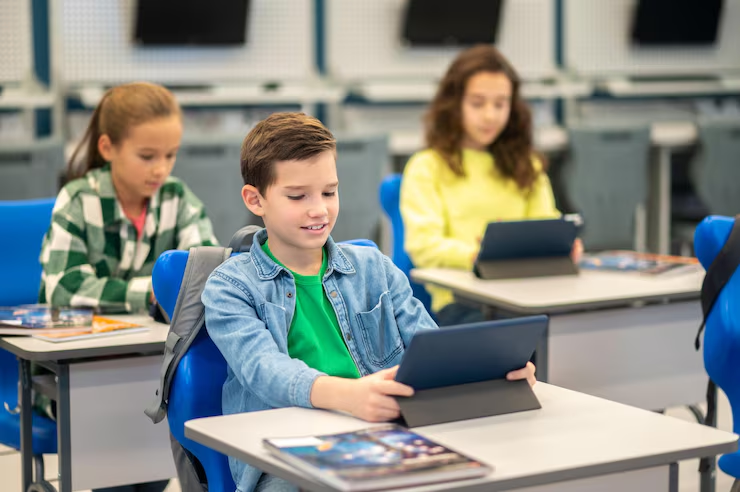
The central question guiding this inquiry is: How can digital tools support diverse learners in an elementary school math classroom? This question emerged from observing the wide range of learning needs, paces, and styles presented in elementary school classrooms. Every student brings unique strengths and challenges to their mathematical learning, and finding ways to meet each students needs has become increasingly important in creating an equitable learning environment.
Why Did I Choose This Topic
The choice to focus on adaptive digital tools comes from their potential to personalize learning experiences in a way that traditional whole-class instruction cannot always achieve. Technology offers opportunities to differentiate content, adjust pacing, and provide immediate feedback tailored to each individual students’ needs. In mathematics, particularly, where foundational concepts build upon one another, ensuring that all students develop a solid understanding is crucial for long-term success.
Why It Matters

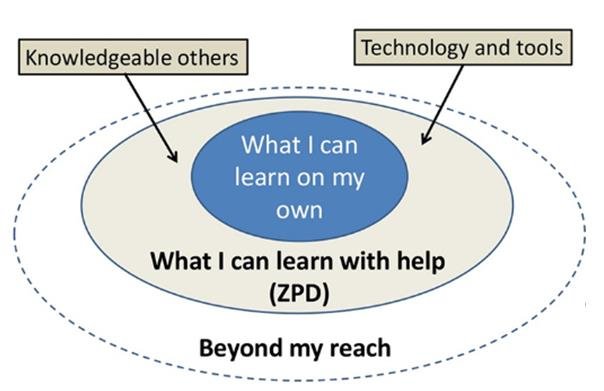
This topic is very important for both student learning and inclusion. When students consistently encounter material that is either too challenging or not challenging enough, they can become disengaged, frustrated, or develop a negative attitude towards mathematics. Adaptive tools have the potential to keep all learners in their zone of proximal development, building confidence alongside competence. Furthermore, thoughtfully implemented technology can support students with learning disability, English language learners, and advanced learners within the same classroom environment, making mathematics more accessible for every learner.
Personal Connection
My personal connection to this inquiry comes from personal experience supporting diverse elementary learners. I have been able to observe how students thrive when they receive appropriately differentiated support, and I have also seen the challenges the teachers face in meeting every students’ needs. This experience has driven my passion for exploring practical, research-informed approaches that can help students develop mathematical understanding and confidence.
Overview of Inquiry Project
This inquiry project will explore different adaptive technology in elementary mathematics. Beginning with background information and research on digital learning tools, the project will examine the classroom context and specific leaner needs that adaptive technology can address.
The inquiry will analyze a range of digital tools, including generative AI platforms, adaptive online learning programs such as Prodigy, Khan Academy Kids, and DreamBox, virtual manipulatives, and computational thinking tools like ScratchJr. To understand how different AI tools approach lesson design, I will compare lesson plans generated by various AI platforms and use these insights to create a practical sample lesson plan for implementation in an elementary school setting.

Following this exploration, the project will provide an honest examination of the challenges and limitations of using technology in mathematics instruction. Research findings and observations will offer evidence of technology’s impact on student learning, with particular attention to how these tools support inclusion and differentiation. Finally, the project will conclude with reflections on key learnings and considerations for future application in diverse classroom settings.
Sorry, but comments are not enabled on this site.